Living Without Illusions: Hope Without Superstition
Apr 01, 2026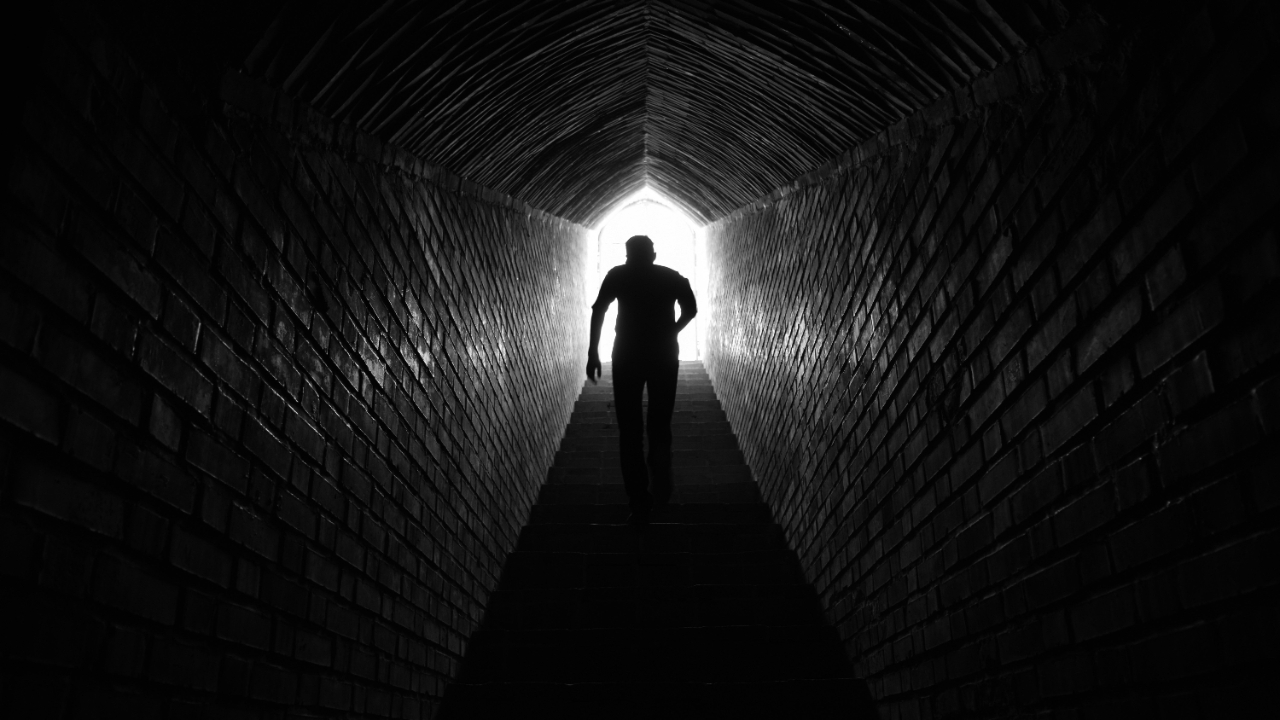
Hope can be luminous.
But it can also be misleading.
There is a form of hope that steadies us — clarifies us — strengthens our capacity to act.
And there is another form that drifts into superstition. That crosses its fingers. That waits for rescue. That confuses wishing with participating.
The distinction is subtle.
And essential.
When Hope Becomes Magical Thinking
We all know this version of hope:
-
If I just think positively, things will shift.
-
If I want it badly enough, it will come.
-
If I stay hopeful, reality will bend.
This is hope untethered from responsibility.
It places power somewhere vague — in fate, in luck, in the invisible mechanics of the universe — while leaving our agency underdeveloped.
Does hope open the door to superstition?
Crossed fingers. Wishful thinking.
Superstitious hope seeks comfort.
Conscious hope seeks participation.
One numbs uncertainty.
The other engages it.
Pandora’s Jar and the Containment of Hope
We return again to the ancient myth: Pandora opens a jar releasing sickness, grief, and suffering into the world — but hope remains inside.
Interpretations differ. But consider this:
What if hope remains contained because it must be handled carefully?
Hope, unleashed without awareness, can become illusion.
It can convince us that everything will “work out” without asking what is required.
It can detach us from reality rather than deepen our relationship to it.
Hope is powerful.
But power without grounding becomes distortion.
Is Hope a Drug?
Is hope a drug?
An addiction?
At times, yes.
Hope can function like an emotional stimulant.
It lifts us briefly above discomfort. It offers a flash of imagined relief. It creates a future fantasy that softens present pain.
But like any stimulant, if we rely on it without integrating reality, we crash.
We oscillate between euphoric expectation and crushing disappointment.
Hope, untethered, becomes volatility.
And volatility erodes trust — in ourselves, in others, in life.
The Difference Between Hope and Knowing
There is a quiet clarity in the distinction we're exploring here:
Hope.
Belief.
Knowing.
We do not hope for what we know is inevitable.
We do not hope for what we know is impossible.
Hope lives in uncertainty.
And uncertainty can feel destabilizing.
Superstitious hope tries to convert uncertainty into imagined certainty.
Grounded hope accepts uncertainty as part of the landscape.
One demands reassurance.
The other develops resilience.
Hope as Attachment to Outcome
To hope for something specific is to become emotionally attached to that outcome.
Attachment isn’t inherently wrong.
But when attachment becomes rigid, suffering intensifies.
If this must happen…
If it has to look like this…
If it doesn’t unfold exactly as imagined…
Then disappointment is amplified.
Living without illusion does not mean living without hope. It means loosening our grip on the form hope takes.
Instead of clinging to a particular outcome, we commit to a direction. Instead of demanding certainty, we cultivate presence.
Acceptance Is Not Resignation
Here is where many people get confused.
If we release illusion, does that mean we give up?
If we let go of magical thinking, does that mean we become cynical?
No.
Acceptance is not resignation.
Acceptance says:
This is the reality of this moment.
From here, what is possible?
Resignation says:
Nothing can change.
Acceptance stabilizes.
Resignation collapses.
Hope without illusion is built on acceptance.
It sees clearly.
It does not exaggerate possibility.
It does not deny limitation. But it still moves.
The Emotional Maturity of Clear Hope
Immanuel Kant’s ethical insight — to act in ways that treat humanity as an end rather than a means — applies here too.
Act not because you hope it will secure a reward.
Act because it is aligned.
Hope that is grounded in values does not depend on external validation.
It becomes steadier.
More mature.
Less reactive.
When hope is aligned with principle rather than fantasy, it becomes sustainable.
It no longer needs to swing wildly between euphoria and despair.
It becomes a quiet commitment.
Living in the Present Tense
Superstitious hope lives in tomorrow.
Grounded hope lives now.
It asks:
What can I embody today that reflects the future I long for?
If I hope for peace — can I practice peace here?
If I hope for justice — can I move toward justice here?
If I hope for connection — can I listen more deeply here?
Hope without illusion collapses the distance between future and present.
It turns longing into practice.
The Pain of Clear Seeing
There is a cost to living without illusion.
Clarity removes comforting stories.
It asks us to sit with complexity.
It invites us to feel the discomfort of uncertainty without immediately soothing it.
This can feel harsher than fantasy.
But it is more stable.
Hope grounded in illusion shatters easily.
Hope grounded in reality bends without breaking.
From Superstition to Participation
So what shifts hope from illusion to empowerment?
Participation.
Not waiting for rescue. Not outsourcing transformation. Not crossing fingers.
But stepping forward — even in small ways.
Hope becomes empowering when it catalyzes action.
When it fuels the next step.
And the next.
And the next.
Hope without illusion is not dramatic.
It is disciplined.
It is consistent.
It is embodied.
A Beacon, Not a Mirage
A beacon does not guarantee smooth seas.
It does not eliminate storms.
It does not promise arrival.
It provides orientation.
A mirage deceives.
A beacon guides.
Hope without illusion is a beacon. It helps us navigate uncertainty without denying it.
The Invitation
To live without illusion is not to abandon hope.
It is to refine it.
To strip away fantasy.
To release rigid attachment.
To ground ourselves in values.
To act without guarantee.
To remain open without pretending.
Hope becomes less about what might magically happen.
And more about who we choose to be — here, now — in the face of uncertainty.
That kind of hope does not intoxicate.
It steadies.
It does not distract.
It directs.
It does not promise ease.
It invites courage.
And perhaps that is the most powerful form of hope we can cultivate — not a wish whispered into the future, but a clear-eyed commitment lived in the present.