The Joy Hidden in Plain Sight — Seeing the World with Childlike Wonder
Dec 16, 2025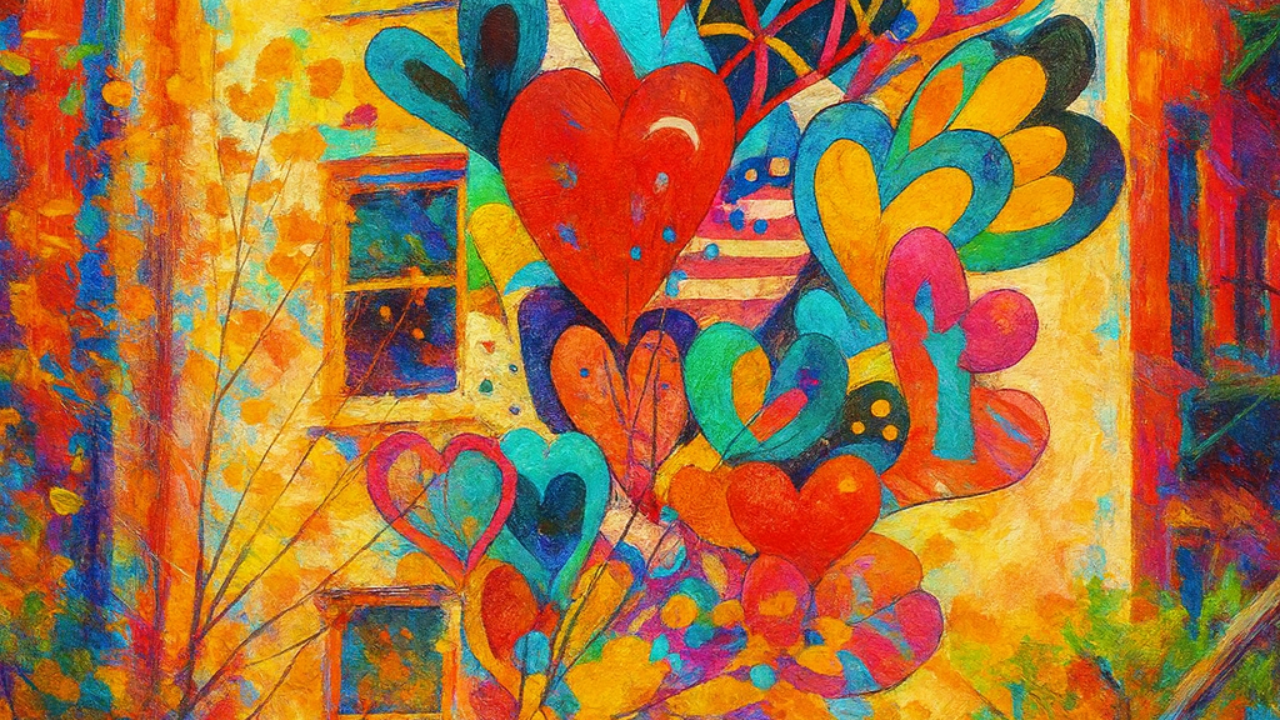
(Part 4 of the MindTravel Series: The Journey to Joy)
In our last post, we explored the eight pillars of joy: the attitudes and perspectives that form the foundation for a joyful life. We saw how humility, gratitude, humor, and compassion open the heart and make room for joy to naturally emerge.
Now, we turn our attention to something simpler, and perhaps even more profound: the joy that already surrounds us.
Joy is not hidden in faraway places. It lives in plain sight: in the curve of a leaf, the rhythm of footsteps on sand, the warmth of light on the skin. The challenge is not to find joy, but to notice it.
Remembering How to See
When we were children, joy was effortless. We didn’t have to be taught how to marvel at the world. A puddle could be an ocean. A dandelion could be a galaxy.
But somewhere along the way, we were told to “grow up,” to be serious, to stop wasting time. We began to trade wonder for practicality, imagination for productivity.
And in doing so, we forgot how to see.
The world didn’t lose its beauty; we just stopped looking for it.
The practice of rediscovering joy is really the practice of learning to see again, through the eyes of curiosity, openness, and awe.
The Science of Joyful Design
Research has shown that certain shapes, colors, and patterns naturally evoke feelings of joy.
Bright colors — think of confetti, flowers, or the brilliant hues of a sunset — are universal triggers for delight. They signal abundance and life, drawing us in.
Abundance and multiplicity — like a flock of birds in motion or the spray of fireworks — activate our sense of wonder. The sight of many small things moving together evokes vitality and connection.
Lightness and elevation — balloons rising, kites soaring, clouds drifting — awaken a feeling of freedom and possibility.
Even roundness and symmetry please the eye. We’re instinctively drawn to them because they reflect balance and harmony, both in nature and within ourselves.
When we bring mindful awareness to these elements, we realize they are everywhere: in our homes, in our cities, in the natural world. They’ve always been there, quietly offering us moments of joy.
The Everyday Miracle
The artist and writer Ingrid Fetell Lee calls these universal cues “Aesthetics of Joy.” She says that joy isn’t something that hides inside us; it’s something that surrounds us. We simply have to learn to tune in.
I find that to be true every time I walk through the world with openness.
The glimmer of sunlight on a windowpane.
The laughter of a stranger on the street.
The scent of rain after a long dry spell.
When we slow down enough to truly notice, these small details reveal themselves as tiny miracles, portals to presence.
Joy, then, is not a special occasion. It’s the most ordinary thing in the world.
The Beauty in the Mundane
One of my favorite moments in film comes from American Beauty. There’s a scene where a plastic bag drifts through the wind, caught in an invisible current. It dances — aimlessly, weightlessly — and it’s mesmerizing.
It’s a perfect metaphor for this truth: beauty is not something we create; it’s something we allow ourselves to witness.
Everything, even the most mundane object, holds the potential for wonder if we meet it with curiosity.
Watch how the sunlight moves across a table.
Notice the texture of a leaf, the sound of your footsteps, the rhythm of your own breath.
The more we notice, the more we realize that joy has been quietly waiting, hidden in the everyday moments we once overlooked.
Awakening the Child’s Eye
To see with joy is to see with a child’s eye: curious, playful, unguarded.
Children don’t need a reason to feel joy; they simply respond to life as it unfolds. A bird flying overhead, a bright piece of fabric, a funny sound.. it’s all magic.
We can cultivate that same openness. We can choose to let go of the heaviness of overthinking and return to a lighter, more spontaneous way of seeing.
This doesn’t mean we ignore the complexities of adult life. It means we remember that even amidst responsibility, we can remain open to wonder.
A Practice in Presence
Here’s a simple practice to reconnect with the joy that surrounds you:
-
Pause. Wherever you are — at your desk, walking outside, waiting in line — stop for a moment.
-
Look. Let your eyes wander gently until they land on something that draws you in: a color, a shadow, a texture.
-
Listen. Notice the sounds around you: the hum of life, the layers of music in the air.
-
Feel. Tune into your body: the breath moving, the heartbeat steady.
That’s it. That’s the whole practice.
The more often we do this, the more life opens up. The world begins to shimmer again.
Joy as Choice
At its core, this way of seeing transforms joy from something passive into something active; a choice we make moment to moment.
We can’t control what life brings, but we can choose the lens through which we see it.
When we view life through the eyes of wonder, even the smallest detail becomes a teacher. The light on the wall becomes a meditation. The sound of rain becomes a song.
Joy isn’t about changing the world; it’s about changing how we meet it.
From the Outer World to the Inner One
As we awaken to the joy that exists around us, we begin to sense something deeper: that the joy we perceive “out there” is actually arising within us.
The color, the light, the beauty... they are triggers, yes, but the experience itself comes from inside.
Which leads us naturally to our next exploration: the transition from joy as something we see to joy as something we are.
Joy is not rare. It’s not fragile. It’s all around, patiently waiting for us to remember how to notice it.
Look closely. Listen deeply. The world is alive with quiet invitations.
Coming Next: Becoming Joy — Living from the Inside Out