The Path to Enduring Joy — A Journey from Suffering to Freedom
Dec 30, 2025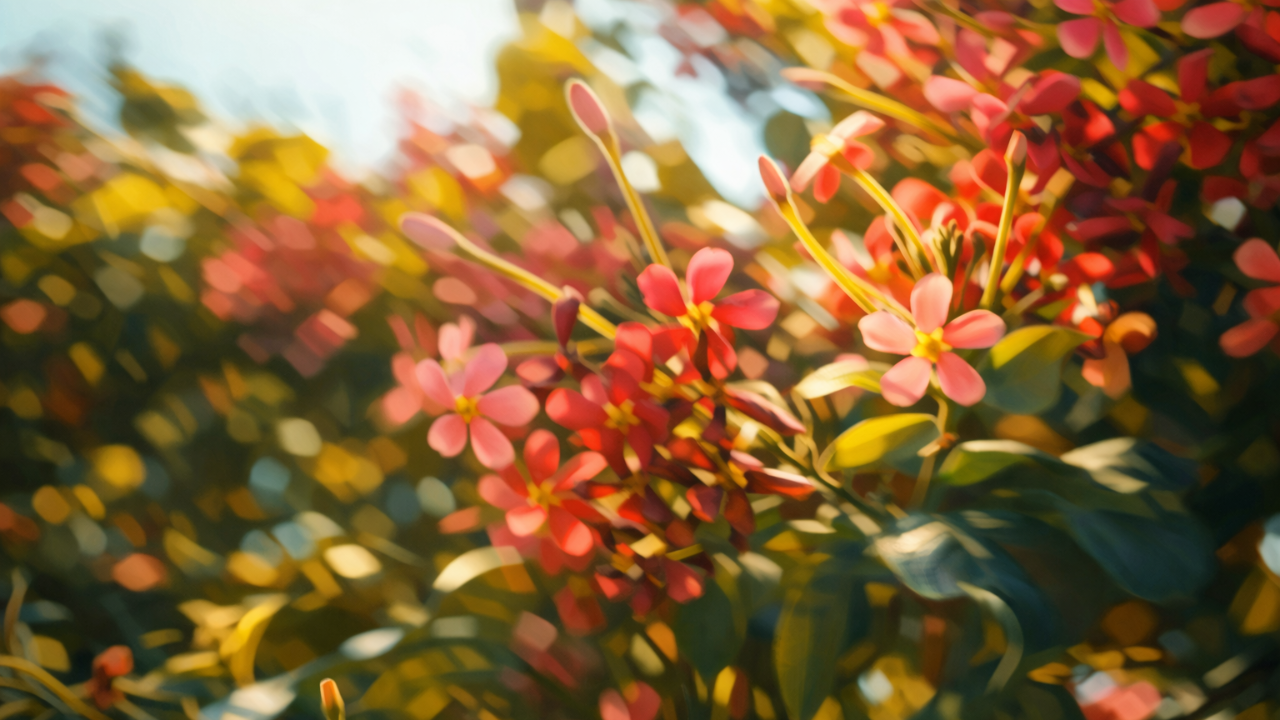
Joy is a word we all know, and yet, few of us truly understand.
We speak about it often, chase it relentlessly, and measure our lives by how much of it we seem to have. But what if joy isn’t something to get at all? What if it’s something to remember?
This is the question that began our Journey to Joy, a five-part exploration through the landscapes of awareness, suffering, compassion, and freedom.
If you’ve been following along, welcome back. If you’re new, this piece will guide you through the heart of that journey and offer signposts to dive deeper into each theme.
Joy, as it turns out, is not a mood. It’s a way of seeing. A way of being.
And it’s available to all of us, right now.
1. Joy Cannot Be Sought — It Can Only Be Found
(Read the full post: Joy Cannot Be Sought — It Can Only Be Found)
We began by exploring the most paradoxical truth about joy: the more we chase it, the further it moves away.
Archbishop Desmond Tutu once said, “If you are setting out to be joyful, you will not end up being joyful.”
That simple statement redefines everything.
Most of us have been taught that joy is something to pursue: a result of having, achieving, or becoming. But joy doesn’t arise from effort. It arises from presence.
Like the state of flow, joy unfolds naturally when the right conditions exist: when we stop grasping, slow down, and open to life as it is.
When we stop demanding that life deliver joy on our terms, we discover that joy was never missing. It was simply obscured by our striving.
Joy, like the sun, is constant. We only need to part the clouds.
2. The Alchemy of Suffering — How Pain Opens the Door to Joy
(Read the full post: The Alchemy of Suffering — How Pain Opens the Door to Joy)
If joy is our natural state, why does life’s pain so often seem to block it?
The answer lies in how we meet suffering.
Pain is inevitable; it’s part of being alive. But suffering, as Viktor Frankl and the Dalai Lama remind us, is optional. Suffering happens when we add a story to pain when we say, “This shouldn’t be happening to me.”
Nelson Mandela spent twenty-seven years in prison, yet emerged with a radiant peace. Frankl survived the horrors of the Holocaust and wrote about finding meaning even in the camps.
Their lives teach us something essential: it’s not pain that breaks us, it’s resistance to it.
When we stop fighting pain and start listening to it, something miraculous happens. Pain becomes alchemy. It transforms into compassion.
Suffering softens into empathy, and empathy gives birth to joy.
This is the quiet miracle available to each of us: when we allow pain to move through us, it leaves behind a deeper tenderness for life itself.
3. The Eight Pillars of Joy — A Mindful Foundation for a Joyful Life
(Read the full post: The Eight Pillars of Joy — A Mindful Foundation for a Joyful Life)
To live in joy, we need more than inspiration; we need structure.
The Dalai Lama and Archbishop Tutu describe eight qualities that support an enduring experience of joy. Think of them as the architecture of a joyful life:
-
Perspective — Seeing the larger picture and remembering that all things pass.
-
Humility — Letting go of comparison and standing as equals with all beings.
-
Humor — Staying light, even in difficulty.
-
Acceptance — Meeting reality without resistance.
-
Gratitude — Shifting from scarcity to abundance.
-
Forgiveness — Releasing resentment and returning to peace.
-
Compassion — Finding joy in connection and kindness.
-
Generosity — Giving freely and discovering that joy multiplies in the giving.
Each pillar invites us to shift our attention from what’s missing to what’s present.
The more we live these principles, the less we depend on external circumstances for our happiness. Joy stops being conditional and starts being constitutional: a way of moving through the world.
4. The Joy Hidden in Plain Sight — Seeing the World with Childlike Wonder
(Read the full post: The Joy Hidden in Plain Sight — Seeing the World with Childlike Wonder)
By now, our understanding of joy has begun to shift from the philosophical to the perceptual; from the inside of our thoughts to the world around us.
And here’s the next revelation: joy is everywhere.
We only need to remember how to see it.
When we were children, we didn’t need to search for joy. It met us in puddles, clouds, and laughter. But as adults, we often lose that sense of wonder, trading curiosity for control.
Reclaiming joy means reclaiming sight: the ability to meet the world with openness.
Joy hides in the everyday:
in bright colors and abundance, in symmetry and lightness, in the gentle details of life we overlook.
The artist Ingrid Fetell Lee calls these “Aesthetics of Joy," sensory experiences that lift our mood and remind us that beauty is not a luxury, but a birthright.
When we bring mindfulness to the act of seeing, the world reveals itself as a constant source of delight.
A drifting plastic bag, a ripple on the ocean, a smile between strangers; each one is a small miracle saying: I am here. Are you watching?
5. Becoming Joy — Living from the Inside Out
(Read the full post: Becoming Joy — Living from the Inside Out)
After all these explorations, one truth becomes clear: joy is not something we find in the world, it’s something that flows through us into the world.
It’s not a reaction; it’s a revelation.
When we stop seeking joy outside ourselves, we begin to live as joy.
This is the great reversal.
External joy says, “I’ll be happy when…”
Internal joy says, “I am grateful now.”
External joy is dependent.
Internal joy is free.
And that freedom — that realization that joy is our nature — is what transforms everything.
We no longer wait for life to make us happy. We become the source of happiness in life.
We give more, forgive more, listen more. We bring light where there was fear. We offer kindness where there was distance.
This is what it means to live from the inside out: to let joy express itself through us, rather than chasing it around us.
6. The Arc of Joy — From Suffering to Freedom
When we step back and look at the full journey, we see the arc of joy unfold like a musical composition.
It begins in silence — the longing for something more.
Then comes the tension — suffering, pain, the human struggle.
Out of that tension, compassion arises — the melody begins to form.
The pillars of joy become the rhythm — the steady beat of gratitude and forgiveness.
Wonder adds harmony — the color and texture of life.
And finally, joy resolves into freedom — the pure note that has been sounding beneath it all.
This is the music of joy. It plays through each of us when we are awake enough to hear it.
7. Practices for an Enduring Joy
Joy is both art and discipline. Like music, it requires tuning.
Here are a few practices to keep you connected to the frequency of joy:
1. The Joy Pause
Several times a day, stop and ask: What is beautiful right now?
It could be a sound, a scent, a color, or a feeling. Let it anchor you in the present.
2. The Gratitude Check-In
Each evening, list three things that brought you joy, no matter how small. This retrains the mind to notice abundance instead of lack.
3. The Generosity Practice
Give something today, your time, your attention, your smile. Observe how the act of giving fills you in return.
4. The Forgiveness Breath
As you exhale, release resentment: toward others, toward yourself. Feel how lightness returns when you let go.
5. The Mindful Moment
When pain arises, pause and breathe.
Ask yourself: Can I allow this, just for now?
Notice how acceptance dissolves suffering, revealing the calm beneath.
8. Joy as Freedom
Ultimately, joy is the experience of freedom itself: the freedom to meet life without fear, to feel without control, to love without condition.
It is the recognition that we are not separate from the beauty we seek.
When we live from this place, we stop being seekers and become creators; participants in the living art of joy.
We realize that every note we play, every act of kindness, every breath of awareness is part of a single, ongoing symphony: the music of being alive.
9. The Invitation
Joy isn’t something to master; it’s something to remember, again and again.
Remember it when life feels heavy.
Remember it when beauty catches you by surprise.
Remember it when you give, when you forgive, when you simply stop to breathe.
Each of these moments is an invitation to return to your natural state, to the joy that has always been here, waiting quietly behind the noise.
Let that remembrance be your practice.
Let that practice become your freedom.
And let that freedom become your song.
Explore the Full Journey: